Origins and Inspiration
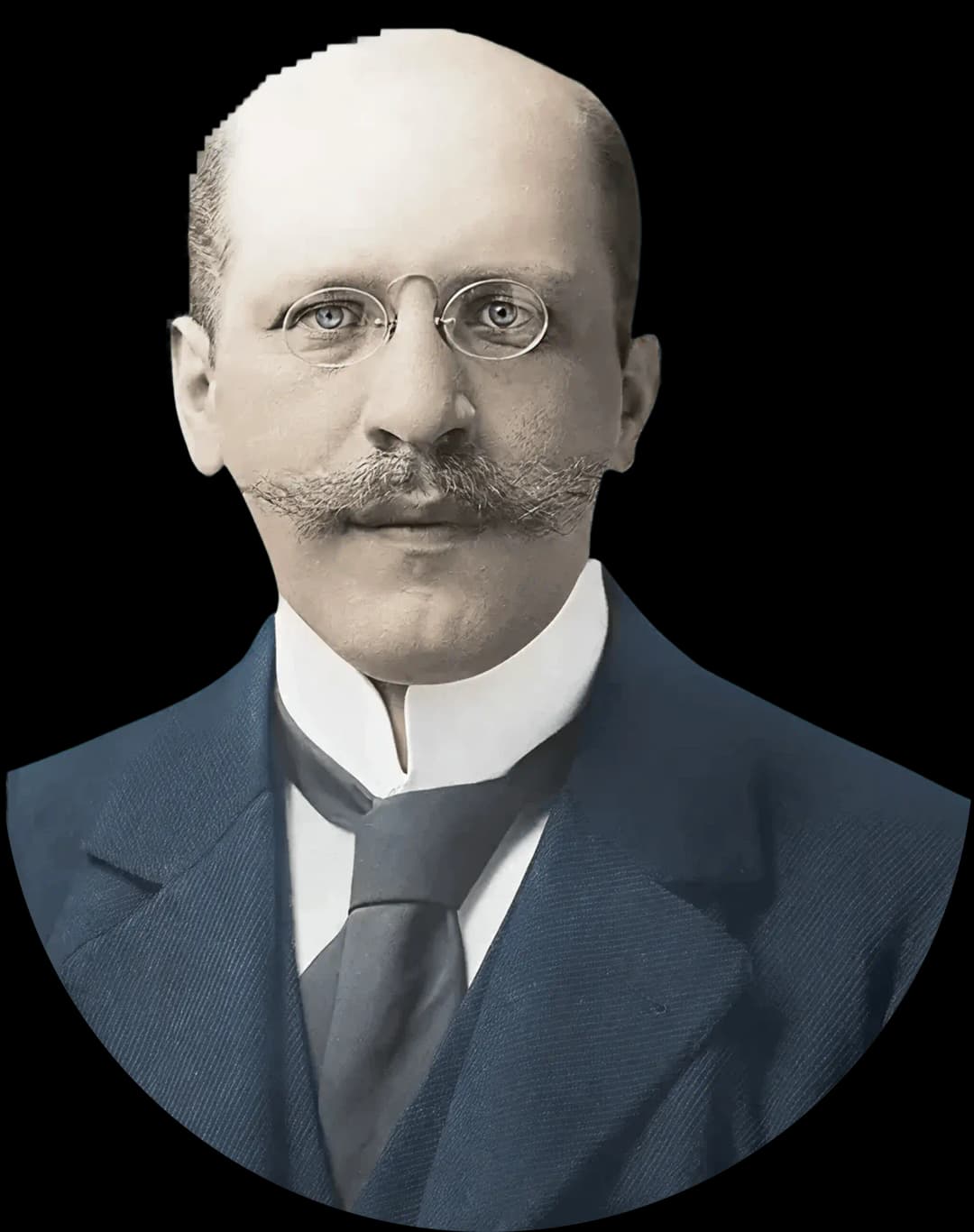
Twindix is deeply inspired by the pioneering work of Hugo Münsterberg, a trailblazer in industrial-organizational psychology. Münsterberg was among the first to apply psychological insights to the workplace, studying how human behavior influences productivity, leadership, and decision-making. His belief in matching individual strengths to organizational needs laid the foundation for modern leadership assessment tools.
Building on this legacy, Twindix integrates Münsterberg's principles with decades of management science research, drawing from 1,500 global studies and 230 business models. This powerful combination offers leaders a comprehensive tool to understand both their own strengths and those of their teams. With Twindix, leaders gain clarity into team dynamics, make more informed decisions, and drive organizational success by focusing on behavior-driven strategies.
This blend of psychology and management theory ensures that Twindix is not just another assessment—it's a transformational tool designed to bring clarity, confidence, and precision to leadership.
How Twindix Aids in
Understanding Management
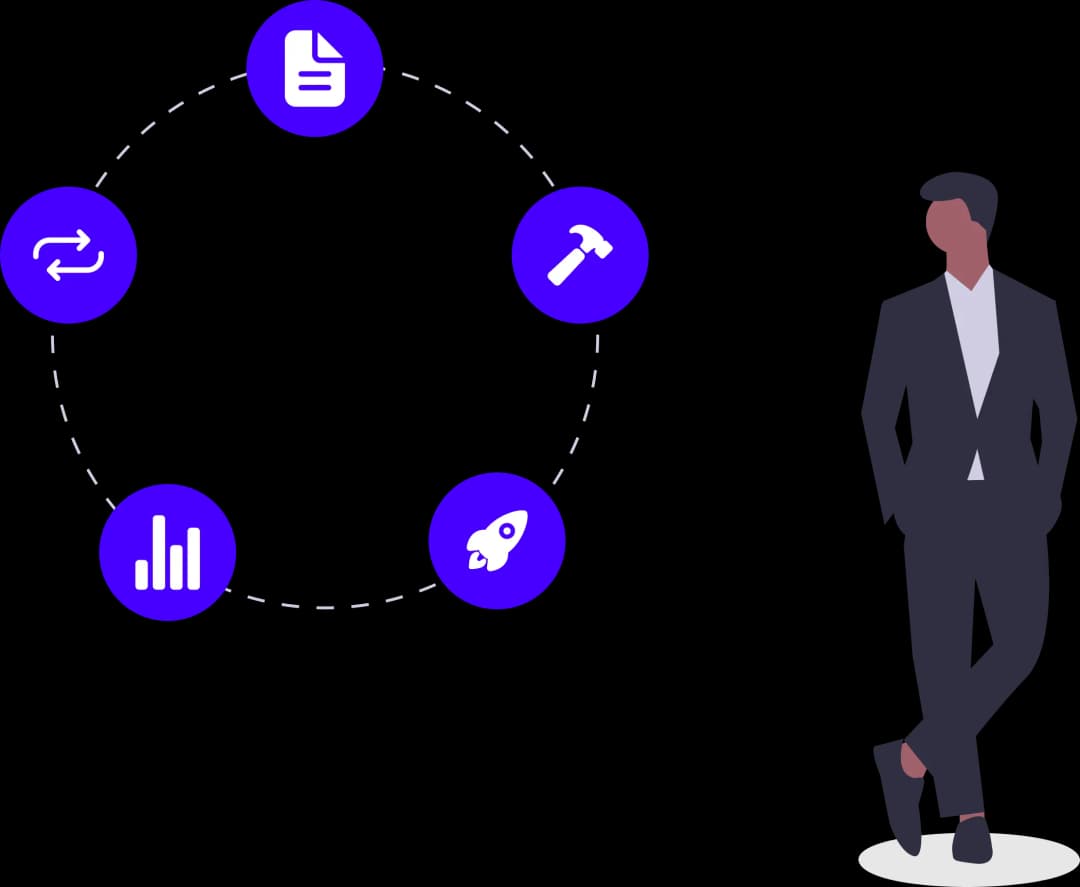
The Twindix assessment provides leaders with a unique understanding of their management style by measuring three core elements: Skills, Perspective, and Behavior. Each of these components plays a vital role in how you lead and interact with your team.
Skills
Refer to the tangible, practical abilities you bring to your role as a leader. This includes task management, decision-making, and operational execution. Twindix measures how Effectively you apply these skills to Real-world challenges. For example, are you able to delegate tasks appropriately? Do you make informed decisions efficiently? Your score in this area reveals your ability to manage the day-to-day operations of your team or organization.
Perspective
Your Perspective is how you interpret and respond to challenges, opportunities, and long-term goals. It reflects your strategic thinking, creativity, and ability to align with your organization's overarching vision. Leaders with strong perspective can see beyond immediate tasks, anticipating future challenges and positioning their teams for long-term success. Twindix evaluates how your perspective informs your leadership approach, offering insights into how you can improve your strategic thinking and big-picture focus.
Behavior
Behavior refers to your actions and reactions, particularly in high-pressure situations. This includes how you communicate with your team, your emotional intelligence, and how adaptable you are to change. Twindix examines your behavioral patterns to give you a clearer understanding of how you lead in practice. For instance, are you calm under pressure? How do you approach conflict resolution? By understanding these behavioral tendencies, you can develop stronger, more consistent leadership habits.
These components work together to create a complete picture of your leadership style. By understanding your skills, you can manage tasks and decisions more effectively. A strong perspective helps you navigate long-term goals and strategic challenges, while your behavior defines how you lead in high-pressure situations. Unlocking insights into these elements transforms how you lead your team and organization.

A Deep Dive into Twindix
Indicators
Twindix reveals the core qualities that shape effective leadership by examining eight key indicators. From the strategic foresight of a Planner to the adaptability of a Responsive leader, each indicator offers a unique perspective on leadership dynamics. The Auditor's attention to detail, the Draining indicator's ability to eliminate inefficiencies, and the Scientific leader's reliance on data are crucial for operational success. Meanwhile, the Intuitive leader's creativity, the Focused leader's discipline, and the Comprehensive leader's big-picture thinking drive long-term vision and organizational alignment.
Planner
Characteristics
Planners are strategic thinkers, known for their ability to break down long-term goals into manageable tasks. They focus on meticulous planning and preparation, ensuring that every step is considered before execution.
Planning Style
They thrive on structure and order, creating detailed roadmaps that guide projects to success. Every task has a timeline, every resource accounted for.
Strengths
Strong foresight and organization.
Responsive
Characteristics
Highly adaptable. Excel in fast-paced environments where quick decisions are required. Thrive in situations with new information.
Decision-Making
Make decisions on the fly, balancing speed with judgment. Quick thinkers who thrive under pressure and adjust to unpredictable changes.
Strengths
Adaptability and resilience.

Auditor
Characteristics
Auditors are detail-oriented, precise, and methodical. They ensure that tasks are completed to the highest standard, often excelling in roles that require quality control, compliance, or financial management.
Decision-Making
Auditors are obsessed with accuracy. They catch mistakes others overlook and are invaluable when precision and thoroughness are critical.
Strengths
High attention to detail and commitment to quality.

Draining
Characteristics
The Draining indicator identifies when certain processes or tasks are consuming too much energy and resources, leading to inefficiency. Leaders with this indicator are skilled at recognizing inefficiencies and streamlining operations.
Focus
They focus on identifying and eliminating tasks that drain energy or hinder progress, freeing up resources for more impactful activities.
Strengths
Efficiency and resource management.

Scientific
Characteristics
Scientific leaders rely on data, analysis, and logical reasoning. They are methodical, ensuring every decision is backed by evidence. They excel in roles that require research, analysis, and data-driven decision-making.
Decision-Making
They are driven by empirical evidence, often performing extensive analysis before committing to a course of action.
Strengths
Analytical thinking and problem-solving.

Intuitive
Characteristics
Intuitives rely on gut instincts and creativity to make decisions, often thriving in uncharted or ambiguous situations. They are imaginative and rely on their inner judgment to seize opportunities or innovate solutions.
Decision-Making
Intuitives are visionaries who act on their instincts, trusting their creative judgment when there's no clear data to guide them.
Strengths
Creativity and innovation.
Example
Steve Jobs, co-founder of Apple, was a highly intuitive leader. Known for his instinctual sense of what consumers wanted, Jobs often relied on his gut feeling to create revolutionary products like the iPhone and the iPad, despite initial skepticism.

Focus
Characteristics
Focused leaders are highly goal-oriented and disciplined, able to concentrate on long-term objectives without getting distracted by short-term noise. They are driven by a clear sense of purpose and are relentless in achieving their goals.
Focus
They concentrate on the most critical tasks, avoiding distractions, and keeping their teams aligned with the organization's mission.
Strengths
Discipline and unwavering commitment to goals.

Comprehensive
Characteristics
Scientific leaders rely on data, analysis, and logical reasoning. They are methodical, ensuring every decision is backed by evidence. They excel in roles that require research, analysis, and data-driven decision-making.
Vision
They see beyond immediate outcomes, planning for future success by aligning short-term efforts with long-term strategies.
Strengths
Strategic thinking and visionary leadership.